Why Sew Lucky is the Whimsical Font Your Brand Needs
Every designer knows the feeling. You’re building a brand for a client—or maybe for yourself—and the project calls for something specific. It needs personality, a handmade quality, but it also has to look professional. You scroll through your font library, past the standard serifs and sans-serifs, but nothing feels quite right. Then you find it: a typeface that doesn’t just spell out words, but tells a story. This is the magic of a truly creative font, and it’s exactly what you get with Sew Lucky. This isn’t your average display font; it’s a full-color, whimsical design asset that brings a unique, crafted aesthetic to any project it touches.
A Typeface with a Story to Tell
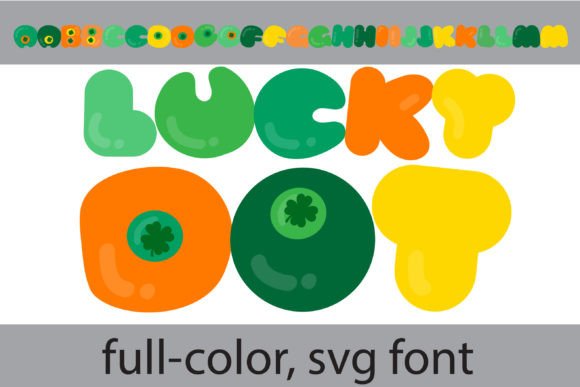
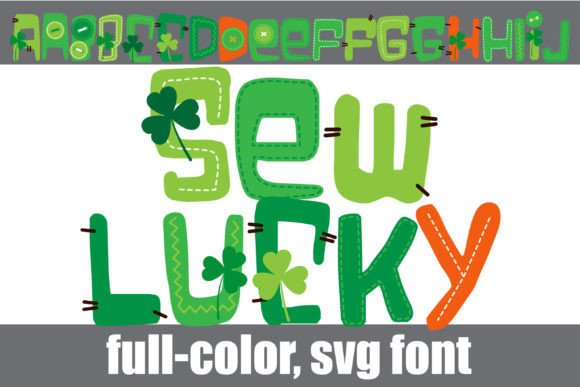
What sets Sew Lucky apart immediately is its visual personality. This is a premium font that feels like it was pulled from a creative journal. The lettering is playful and whimsical, designed to look as if it were stitched by hand. Each character is adorned with charming details: tiny stitches that trace the letterforms, miniature buttons, and four-leaf clovers, all rendered in a fresh, inviting green color palette. This specific design language makes it an ideal choice for projects in the lifestyle, crafting, wellness, or artisanal food spaces. It communicates care, luck, and a handcrafted touch without a single word of explanation.
As a full-color SVG font, Sew Lucky retains its vibrant colors and intricate details at any size. Unlike traditional fonts that are limited to a single color, this typeface arrives with its own built-in color palette. For designers, this means the font is a complete design element in itself, ready to be used as a focal point in a logo, on packaging, or in a social media graphic. The vector-based nature of SVG fonts ensures that whether you’re scaling it for a tiny favicon or a large-format poster, the quality remains crisp and clear.
Practical Applications for a Unique Font
The true value of a creative font like Sew Lucky lies in its versatility. While its style is specific, its applications are broad, making it a powerful tool in a designer’s or entrepreneur’s toolkit.
For branding and logo design, this typeface is a standout choice. A small business, especially one in the handmade, boutique, or eco-friendly market, can use Sew Lucky to create a logo that instantly communicates its core values. Imagine it on the header of a craft blog, the logo for a sewing supply shop, or the branding for a lucky-themed bakery. It builds immediate brand recognition and sets a memorable tone.
When it comes to packaging design, Sew Lucky can transform a simple product into a shelf standout. Use it for product names on labels for jams, candles, or craft kits. The stitched texture and clover motifs suggest quality and a bit of charm, which can influence a customer’s perception and purchasing decision. It works beautifully on hang tags, box art, and sleeve designs.
In the digital realm, its impact is just as strong. Social media graphics become instantly more engaging with a font that has this much character. Use it for Instagram story headlines, Pinterest pins, or Facebook post announcements to stop the scroll. For websites and blogs, it can be used strategically for hero text, section headers, or call-to-action buttons to draw the eye and inject personality into the user experience. On a merchandise line, from tote bags to t-shirts, the font’s design translates perfectly, offering a product that feels both personal and professionally designed.
Making It Work: Pairing and Practicality
With a display font as distinctive as Sew Lucky, thoughtful pairing is key to maintaining a professional and readable design. The goal is to let the font’s personality shine without overwhelming the viewer or sacrificing legibility, especially for body text.
A classic and effective strategy is to pair a whimsical font with a clean, neutral sans serif font. A typeface like Montserrat, Open Sans, or Lato for your body copy will provide a calm, readable foundation that allows the headers in Sew Lucky to truly pop. This contrast creates a clear visual hierarchy, guiding the reader’s eye through your content logically.
For projects that aim for a more organic or traditional feel, consider pairing it with a simple serif font. A gentle serif like Lora or Merriweather can complement the handmade aesthetic while offering excellent readability for longer paragraphs. The key is to test your font pairing thoroughly. Always view your design at the size it will be used, both on screen and in print if possible, to ensure the combination feels balanced and the text remains easy to read.
Remember, Sew Lucky is a display font at its heart. It’s designed for headlines, logos, and short bursts of impactful text. It’s not intended for body copy, where its intricate details could become distracting. Use it where it can make the biggest impression, and let a more subdued typeface handle the heavy lifting of paragraphs and descriptions.
Unlocking Its Full Potential
To get the most out of this creative font, it’s helpful to understand a few technical details. Sew Lucky is an OpenType full-color (SVG) font, which means it installs just like any other .otf file on your system, whether you’re on a Mac using FontBook or a Windows user managing fonts through the Control Panel.
One important note for creatives: color fonts can sometimes appear as black in the font preview window of your design software, even if the program supports them. The true test is to type out your text on the canvas. If you see the full-color stitches and clovers, you’re good to go. Major design platforms like Adobe Illustrator and Photoshop, Silhouette Studio, QuarkXPress, and Inkscape fully support this technology, allowing you to work with the font as intended.
Furthermore, this premium font often includes an alternate set of characters in additional colors, accessible through your system’s character map or your design software’s glyph panel. This feature is a game-changer for customization. You can easily swap out a green clover for a pink one, or change the color of a button to match a specific brand palette, giving you incredible creative control over your final design. Always review the included font styles and glyphs before starting a project to fully understand the assets at your disposal.
Finally, for any commercial use—whether it’s for a client’s logo, merchandise for sale, or marketing materials—always ensure you have the correct commercial font license. Using a font within the terms of its license is a fundamental part of professional design practice and protects both you and your work.
Choosing the right typography is about more than just aesthetics; it’s about communication. A font like Sew Lucky does more than spell words. It evokes a feeling, tells a brand’s story at a glance, and creates a visual consistency that audiences remember. In a crowded marketplace, that kind of distinct personality isn’t just a nice-to-have—it’s a strategic asset. By thoughtfully integrating such a unique typeface into your brand identity, you move beyond generic design and create something that truly resonates.