Lucky Dot: The Playful Font That Brings Your Projects to Life
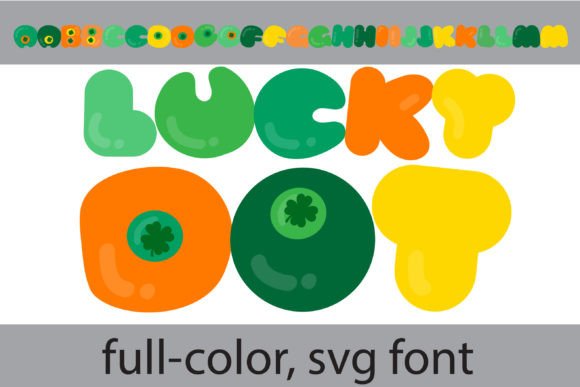
Imagine a font that doesn't just sit on the page but practically dances across it. That’s the feeling you get when you first encounter Lucky Dot, a whimsical, rounded typeface that replaces the usual dot on letters like 'i' and 'j' with a cheerful shamrock. It’s more than just a font; it’s a mood, a celebration of color and playful design. For anyone looking to inject a dose of personality into their creative work, this full-color SVG font offers a fresh and engaging solution that stands out in a sea of standard typography.
A Closer Look at Its Unique Visual Charm
What immediately sets Lucky Dot apart is its construction. This is a premium font in the truest sense, leveraging OpenType full-color (SVG) technology to display vibrant, multi-hued letters directly in your design software. The primary color palette is a fresh, lime green, perfectly complementing the shamrock motif. But the creativity doesn’t stop there. An alternate set of glyphs provides each letter in additional colors, accessible through your system’s character map or design programs like Silhouette Studio. This feature alone transforms it from a simple display font into a versatile design asset, allowing you to mix and match hues for a truly custom look.
The letterforms themselves are rounded and friendly, with a soft, approachable feel that avoids harsh edges. This makes it an excellent choice for projects targeting audiences of all ages, from children’s brands to playful lifestyle blogs. It’s a typeface that communicates joy, luck, and creativity before a single word is read. When considering font pairing, its bold personality means it works best as a headline or accent font, paired with a clean, simple sans-serif or serif font for body text to ensure readability and balance.
From Brand Identity to Social Media Buzz
The practical applications for a font like Lucky Dot are surprisingly broad, especially for brands and creators aiming to establish a distinct visual voice. Think about packaging design for a new line of organic teas, a St. Patrick’s Day-themed product, or a whimsical bakery. The font’s inherent charm can make a product feel more approachable and memorable on a crowded shelf. For logo design, it offers a fantastic starting point for businesses that want to project friendliness and creativity, such as a children’s party planner, a craft supply shop, or a quirky café.
In the digital realm, its impact is equally powerful. Social media graphics need to stop the scroll, and a burst of color from a Lucky Dot headline is sure to grab attention on Instagram, Pinterest, or Facebook. It’s perfect for creating engaging quote graphics, promotional announcements, or themed content series. For bloggers and content creators, using it for section headers or pull quotes can add visual interest and break up text-heavy pages, improving the reader’s experience. It’s a modern typography choice that injects energy into digital products like downloadable planners, worksheets, or e-book covers.
Ensuring Your Designs Shine: Technical Know-How
Understanding how to work with full-color SVG fonts is key to unlocking their potential. Unlike standard fonts, color fonts are installed in the same way—via FontBook on a Mac or your preferred font manager on Windows—but they behave differently in various programs. You might notice they appear black in certain preview windows or in software that doesn’t support SVG technology. Don’t be alarmed; the color often reveals itself once you actually type on your canvas. Programs like Adobe Illustrator, Photoshop, Silhouette Studio, QuarkXPress, and Inkscape are known to support these fonts, allowing you to see and utilize the full color palette.
This technical consideration is crucial for maintaining visual consistency across your projects. Before committing to a large project, always test the font in your specific design environment to ensure the colors render as expected. This simple step prevents surprises and ensures your brand identity remains cohesive, whether it’s displayed on a website, in a printed brochure, or on merchandise. Remember, the vector-based nature of SVG fonts means they scale beautifully without losing quality, making them perfect for both small icons and large-format posters.
Pairing and Practicality for Professional Results
While Lucky Dot is a star player, even the best creative font needs a supporting cast. The key to professional presentation is thoughtful font pairing. Its playful, rounded style pairs exceptionally well with geometric sans-serifs like Montserrat or Open Sans for a clean, contemporary look. For a more classic contrast, a simple serif like Lora or Merriweather can provide an elegant counterbalance. The goal is to let the personality of Lucky Dot shine without overwhelming the viewer, especially in longer text blocks where readability is paramount.
Consider your project’s goals carefully. Is the aim to create a fun, engaging invitation? Then let Lucky Dot dominate. Is it for a marketing asset that needs to convey key information clearly? Use it sparingly for headlines or calls-to-action, supported by a highly readable body font. Always review the included glyph styles and alternate colors to see how they can be used to highlight specific words or create patterns. This level of detail elevates your work from good to great, showing a considered approach to design that audiences and clients appreciate.
Finally, for any commercial project, always verify the licensing. A premium font typically comes with a license that covers specific uses, so ensure it aligns with your intended applications, whether for client work, merchandise, or digital products. Investing in a properly licensed font not only supports the creators but also protects your projects legally. By combining the unique appeal of a typeface like Lucky Dot with practical design wisdom and technical know-how, you create visual communications that are not only beautiful but also effective and memorable.