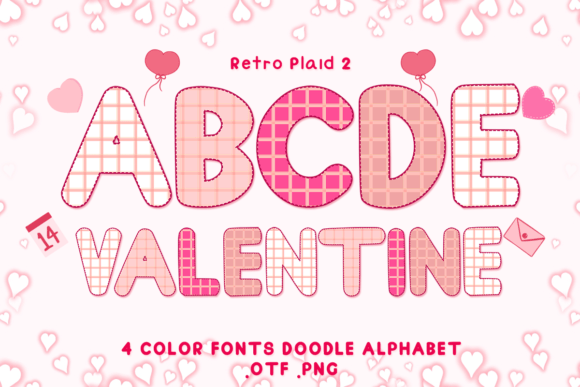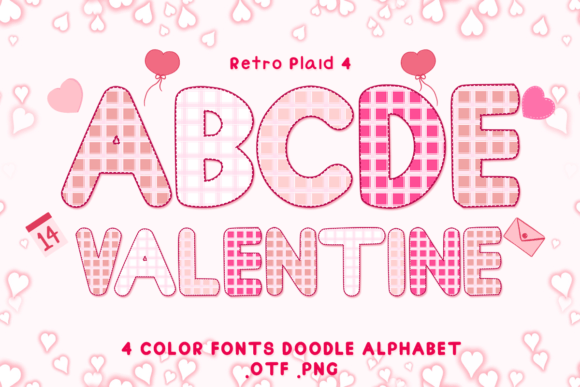
Retro Plaid 3: The Color Font That Brings Cozy Charm to Your Designs
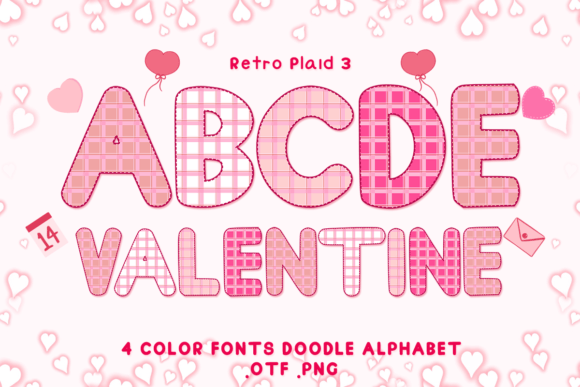
There’s something undeniably comforting about a classic plaid pattern. It evokes cozy autumn days, vintage picnic blankets, and the timeless tartan of heritage fashion. Now, imagine capturing that warm, textured aesthetic directly within your typography. That’s the magic of Retro Plaid 3, a color font that doesn’t just spell out words—it drapes them in a soft, woven visual story. Designed from the heart for creators who want their projects to feel personal and inviting, this typeface is ready to become your new secret weapon for adding instant character and charm.
More Than Just Letters: Understanding the Color Font Difference
Before we dive into its many uses, it’s crucial to understand what makes this asset unique. This isn’t your standard .otf or .ttf file that relies on solid color fills. Retro Plaid 3 is an Opentype-SVG color font. Think of it as a tiny illustration embedded within each glyph. When you type, the software renders the plaid texture and color gradients directly onto the letterforms. This technology allows for a level of detail and visual richness that flat fonts simply cannot achieve, making it a standout premium font for projects that demand attention.
It’s important to note its compatibility. This color font works beautifully in advanced design software like Adobe Photoshop, Adobe Illustrator, and Inkscape. It also functions in Silhouette Studio for your crafting projects. However, due to its complex color data, the standard OTF/TTF files are not compatible with Cricut machines. For crafters, this means it’s perfect for designing digital prints, sublimation projects, or print-then-cut creations where the full-color design can be printed out before being applied.
Where Cozy Meets Commercial: Practical Applications for Your Brand
The true value of a creative font like this lies in its versatility. Its friendly, handcrafted feel makes it exceptionally adaptable across a wide range of mediums, helping you build a cohesive and memorable brand identity.
For logo design, especially for brands in the lifestyle, home goods, artisan food, or boutique retail spaces, Retro Plaid 3 offers an instant story. It communicates warmth, quality craftsmanship, and a personal touch. Imagine it on a logo for a bakery, a knitting shop, or a local coffee roaster—it immediately sets the right tone. This display font excels in headlines and short, impactful text where its detailed pattern can shine without overwhelming the viewer.
When it comes to packaging design, this typeface is a game-changer. It can transform a simple label into something that feels gift-wrapped. Use it for product names on jars of jam, candle labels, or boutique soap wrappers. The plaid texture adds a tactile, premium quality that suggests care and attention to detail, directly influencing perceived value on the shelf.
For social media graphics and digital products, its bold visual personality stops the scroll. It’s perfect for creating engaging Instagram Stories, Facebook banners, or Pinterest pins that promote seasonal sales, holiday greetings, or new product launches. The inherent pattern makes text-heavy graphics more dynamic and visually interesting, boosting audience engagement.
Crafting Visual Harmony: Pairing and Practicality
While Retro Plaid 3 is a showstopper, great design is often about balance. Pairing it with simpler typefaces is key to maintaining readability and visual consistency across your project. Its decorative nature means it’s best used for headlines, titles, or pull quotes.
For body text or supporting information, opt for a clean sans serif font or a straightforward serif font. A simple, modern sans serif like Montserrat or Open Sans will create a crisp contrast, allowing the plaid font to be the hero. Alternatively, a elegant, minimal script font could complement it for a more feminine or celebratory feel, such as on invitations or wedding collateral. Always test your font pairing to ensure the overall layout feels intentional and the main message remains clear.
Consider the context of your editorial design or web design. On a website, it might be used sparingly for a stunning homepage hero banner or section headers, paired with ample white space. In a printed lookbook or poster, it can command a full page for maximum impact. The key is to let the font’s inherent personality guide its use—it’s designed to evoke a feeling, so place it where that feeling will resonate most with your audience.
From Heart to Project: A Font Built for Enjoyment
Ultimately, Retro Plaid 3 is more than a design asset; it’s an invitation to create with joy. Its purpose is to make your projects feel personal and thoughtfully crafted, whether you’re a small business owner designing your own marketing materials or a content creator adding a unique touch to your blog graphics. The options for its use are indeed limitless, from merchandise like tote bags and t-shirts to print materials like greeting cards and flyers.
When selecting any commercial font, always review the licensing to ensure it fits your project’s scope, especially for merchandise. This font’s charming aesthetic is intended to be shared and enjoyed, making it a valuable addition to any creative toolkit. It represents a move towards more expressive, textured typography in modern typography, where fonts aren’t just functional but are foundational elements of mood and storytelling. By incorporating it thoughtfully, you’re not just choosing a typeface—you’re choosing a vibe, a texture, and a story to tell.