Retro Plaid 2: The Color Font That Brings Cozy Charm to Your Designs
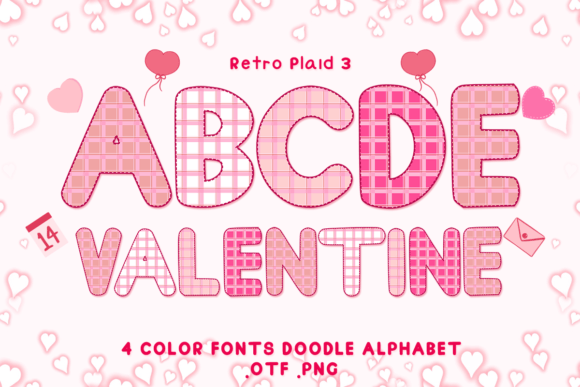
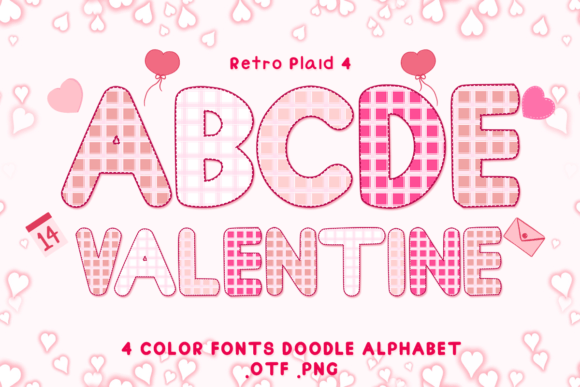
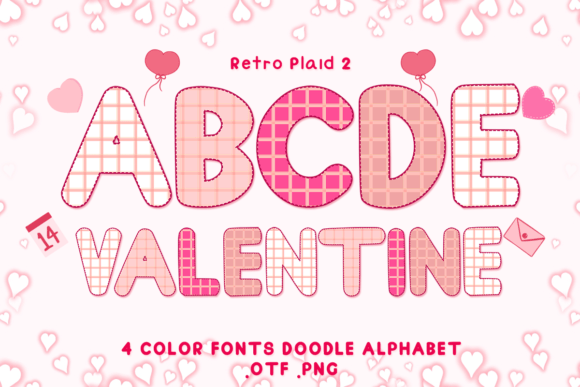
There's something undeniably warm about a classic plaid pattern—it evokes memories of cozy flannel shirts, autumn bonfires, and timeless style. Now imagine capturing that tactile, nostalgic feeling directly in your typography. Retro Plaid 2 is a premium color font that transforms ordinary letterforms into vibrant, pattern-filled statements. Each character is woven with a detailed plaid texture, giving your words a handcrafted, dimensional quality that flat fonts simply can't achieve. Whether you're designing a Valentine's Day promotion, crafting a brand identity for a boutique, or creating social media graphics that stop the scroll, this typeface offers a visual personality that feels both familiar and refreshingly unique.
Why Color Fonts Are Changing the Design Game
Unlike traditional fonts that rely on a single color, color fonts like Retro Plaid 2 embed rich graphic detail—patterns, gradients, and textures—directly into the typeface file. This means you can place a word or headline and instantly see a plaid weave across every letter, complete with subtle shading and color variation. The result is typography that looks like it was painstakingly illustrated rather than simply typed. For designers and content creators, this opens up incredible creative possibilities without requiring hours of manual editing. You get the efficiency of working with a font alongside the visual impact of custom artwork.
What makes Retro Plaid 2 particularly appealing is its versatility. The plaid pattern feels seasonally appropriate for autumn and winter projects, yet the cheerful color palette—think rich reds, soft pinks, and classic greens—translates beautifully to Valentine's Day campaigns, spring promotions, or year-round branding for businesses with a rustic, handmade, or heritage aesthetic. It's the kind of typeface that immediately communicates warmth, authenticity, and attention to detail.
Practical Applications Across Creative Projects
The real value of a font like Retro Plaid 2 lies in how many different ways you can put it to work. Here's a look at where this typeface truly shines:
- Brand Identity and Logo Design: If you're building a brand for a craft brewery, a boutique bakery, a cozy café, or an artisan goods shop, this font can anchor your visual identity. A plaid-textured wordmark instantly sets a tone of authenticity and warmth. Pair it with a clean sans serif font for body copy, and you have a balanced, professional brand system that feels approachable.
- Packaging and Product Labels: Think about how a jam jar label or a candle box would look with a plaid headline. The dimensional quality of the font adds shelf appeal and communicates a handcrafted sensibility that resonates with consumers who value artisanal products.
- Social Media Graphics: Instagram posts, Pinterest pins, and Facebook ads all benefit from eye-catching typography. A headline set in Retro Plaid 2 can stop someone mid-scroll because it doesn't look like every other post in their feed. Use it for quote graphics, sale announcements, or seasonal promotions.
- Invitations and Greeting Cards: Valentine's Day cards, wedding invitations, holiday party invites—the plaid texture adds a personal, tactile quality that feels celebratory. It's especially effective for designs that aim for a vintage or folk-inspired aesthetic.
- Website Headers and Blog Graphics: While color fonts work best at larger sizes, they're perfect for hero images, section headers, and featured graphics on websites and blogs. A plaid-textured headline can set the mood for an entire page without overwhelming the design.
- Posters and Print Materials: Event posters, flyers, and menu designs all benefit from a font that carries visual weight. The plaid pattern reads well at poster size, making it a strong choice for any print project where you want typography to be the focal point.
- Merchandise and Digital Products: From t-shirt designs to printable wall art, this font works across both physical and digital merchandise. If you sell on platforms like Etsy or run a print-on-demand shop, a distinctive font like this can help your products stand out in a crowded marketplace.
Pairing Retro Plaid 2 with Other Typefaces
One of the most common questions designers have about display fonts is how to pair them effectively. Retro Plaid 2 is inherently bold and textured, which means it works best as a headline or accent font rather than for long paragraphs of body text. The key is to let it be the star while supporting it with simpler typefaces that handle the heavy lifting of readability.
Consider pairing it with a clean sans serif like Montserrat or Lato for body copy. The contrast between the ornate plaid texture and the crisp, geometric letterforms creates a dynamic visual hierarchy. If your project leans more traditional or editorial, a classic serif like Georgia or Playfair Display can complement the vintage feel of the plaid pattern. For projects that want to emphasize a handmade quality, a simple handwritten font can work alongside it—but use caution here, as too much texture in a single layout can feel cluttered.
The best approach is to test your pairings in context. Set your headline in Retro Plaid 2, place your body text beneath it, and evaluate the overall balance. Does the headline command attention without overwhelming the rest of the design? Does the body text remain easy to read? These practical questions matter more than following rigid typographic rules.
Understanding the Technical Side
Retro Plaid 2 is delivered as an OpenType-SVG color font, which means the plaid pattern is embedded as scalable vector graphics within the font file itself. This format preserves the detail and color variation of the design at any size. However, it's important to know where this font works and where it doesn't.
You'll get full compatibility with professional design software including Adobe Photoshop, Adobe Illustrator, Silhouette Studio, and Inkscape. These applications support the OpenType-SVG format and will render the plaid texture exactly as intended. If you're working in these tools, you can type directly and the pattern appears automatically—no extra steps required.
It's worth noting that the standard OTF or TTF files included are not compatible with Cricut machines. If you use a Cricut for cutting projects, you'll need to work within one of the supported applications to prepare your design before exporting it for cutting. For a deeper understanding of how to work with color fonts across different platforms, the Ultimate Font Guide is an excellent resource that walks through setup, troubleshooting, and creative techniques.
Choosing the Right Font for Your Project Goals
Every font carries an emotional undertone. A sleek sans serif communicates modernity and efficiency. A flowing script suggests elegance and personal touch. Retro Plaid 2 communicates warmth, nostalgia, and craftsmanship. Before choosing any typeface, it's worth pausing to consider what feeling you want your design to evoke.
If your brand or project centers around handmade goods, seasonal celebrations, cozy lifestyle content, or heritage-inspired aesthetics, this font aligns naturally with those values. On the other hand, if you're designing for a fintech startup or a minimalist fashion brand, the plaid texture might feel out of place. Typography should always serve the story you're trying to tell.
Readability is another practical consideration. Because Retro Plaid 2 is a display font with a detailed texture, it performs best at larger sizes—think headlines, titles, and short phrases. Avoid using it for small body text, legal copy, or anywhere that clarity at small sizes is critical. When used appropriately, it enhances rather than hinders communication.
Making the Most of Your Design Assets
Investing in a premium font like Retro Plaid 2 is really about expanding your creative toolkit. The more versatile your design assets, the more efficiently you can produce professional-quality work across different projects and platforms. A single distinctive typeface can become a signature element that ties together a brand's visual presence—from social media posts to printed packaging to website headers.
Take time to explore the included font styles and weights. Experiment with different color combinations in your design software. Try setting various words and phrases to see how the plaid pattern interacts with different letter shapes—some characters, particularly those with curves and counters, will showcase the texture in interesting ways. The more you experiment, the more confident you'll become in knowing when and how to deploy this font for maximum impact.
Ultimately, typography is one of the most powerful tools in visual communication. A font choice can make a design feel playful or serious, modern or vintage, luxurious or accessible. Retro Plaid 2 gives you a way to inject personality and texture into your work that feels genuine and inviting. Whether you're designing a one-time Valentine's Day card or building out an entire brand identity, having a font that carries this much character means you're already starting from a place of warmth and intention.