Mia: The Adorable Color Font That Feels Like a Handwritten Hug
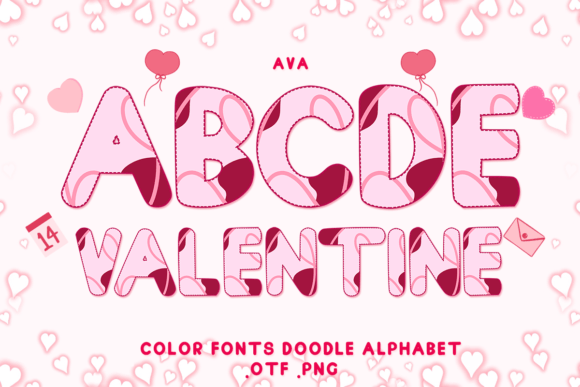
There's something undeniably special about a design element that carries personality. You know the kind—it catches your eye, makes you smile, and instantly communicates warmth before a single word is read. That's exactly the energy Mia brings to the table. This charming color font was crafted with love, designed to infuse your projects with a playful, heartfelt vibe that feels both personal and polished. Whether you're celebrating Valentine's Day, building a brand, or creating something beautiful just because, Mia offers a fresh take on typography that's impossible to ignore.
What Makes a Color Font Different—and Why Should You Care?
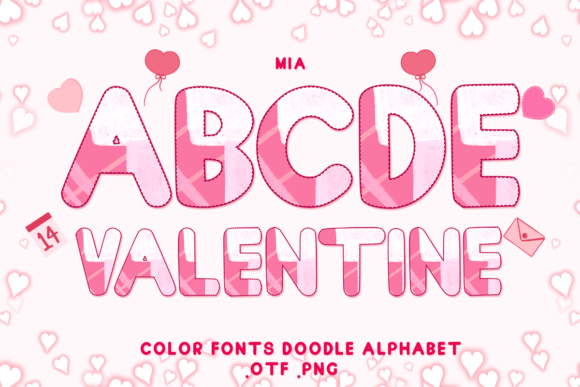
Before diving into the creative possibilities, it helps to understand what sets a color font apart from traditional typefaces. Standard fonts render in a single flat color—black, white, whatever you choose in your design software. A color font like Mia, however, uses OpenType-SVG technology to embed multiple colors, gradients, and even textures directly into each letterform. The result? Typography that looks hand-painted, vibrant, and multidimensional right out of the box.
This means you don't need to layer effects, apply textures, or manually recolor each character. The adorable aesthetic is built in. For busy designers, small business owners, and content creators, that translates to less time fiddling with settings and more time actually creating. Mia arrives ready to shine, whether you're working in PhotoShop, Illustrator, Silhouette, or Inkscape.
One important note: because this is an OpenType-SVG font, the OTF and TTF files are not compatible with Cricut machines. If you're a crafter who relies on Cricut for vinyl or paper projects, you'll want to explore other options or use Mia exclusively for screen-based and print designs. For a deeper look at working with color fonts, the Ultimate Font Guide is a helpful resource worth bookmarking.
A Typeface Designed for Moments That Matter
Mia wasn't created to disappear into the background. It's a display font with a distinct personality—warm, whimsical, and unmistakably expressive. The letterforms carry a handwritten quality that feels approachable without sacrificing legibility. Each character is carefully designed with its own color palette and texture, giving the font an organic, almost illustrated feel.
This makes it a natural fit for projects where emotion and connection are front and center. Think Valentine's Day cards, anniversary invitations, wedding stationery, or love-themed social media campaigns. But its charm extends far beyond romantic occasions. Mia works beautifully for children's brands, lifestyle blogs, boutique product packaging, handmade goods, and any project that benefits from a touch of warmth and authenticity.
The font's visual character sits at an interesting crossroads between a script font and a display font. It has the flowing, personal quality of handwritten typography but with enough structure to remain readable at various sizes. That balance is harder to achieve than it sounds, and it's one of the reasons Mia feels so versatile.
Practical Applications Across Creative Projects
Let's talk about where Mia actually works in the real world. Typography choices aren't abstract—they directly impact how your audience perceives your message. Here are some concrete ways to put this font to work:
- Logo design and brand identity: If your brand personality leans playful, heartfelt, or artisanal, Mia can serve as a distinctive logotype or brand mark. Pair it with a clean sans serif font for body text, and you've got a visual system that feels cohesive and memorable.
- Packaging design: For small-batch products, handmade goods, or boutique food items, Mia adds instant shelf appeal. The color font effect makes labels and tags look professionally illustrated without hiring an illustrator.
- Social media graphics: Instagram stories, Pinterest pins, Facebook headers—Mia grabs attention in crowded feeds. Its colorful, expressive nature stops the scroll and invites engagement.
- Invitations and event materials: Birthday parties, baby showers, bridal events, and holiday gatherings all benefit from typography that feels celebratory. Mia sets the tone before guests even read the details.
- Website headers and blog graphics: Used sparingly and strategically, Mia can add personality to web design. It works especially well for hero images, section headers, or featured quotes where you want to make an emotional impact.
- Merchandise and print-on-demand: Tote bags, mugs, greeting cards, and posters featuring Mia's colorful lettering have a handmade quality that resonates with buyers looking for something special.
- Editorial layouts and digital products: Magazine covers, e-book titles, online course graphics, and newsletter headers can all benefit from a font that communicates creativity and care.
Pairing Mia with Other Fonts for Maximum Impact
A great font rarely works alone. The most effective designs use thoughtful font pairing—combining typefaces that complement each other in style, weight, and function. Because Mia is bold and expressive, it benefits from being balanced with something more restrained.
A simple sans serif font in a neutral weight makes an excellent companion. Think of it as the reliable friend who lets Mia take center stage while keeping everything grounded. For projects that need a slightly more traditional feel, a clean serif font can also work well, especially in editorial or print contexts where body text needs to feel classic and readable.
Avoid pairing Mia with other highly decorative or script fonts. Too much personality in your typography creates visual noise and makes your message harder to read. The goal is contrast and hierarchy—Mia for headlines and focal points, a simpler typeface for everything else.
Always test your font pairings in context. A combination that looks good in a font preview might feel overwhelming on an actual packaging mockup or social media template. Print a sample, view it on different screens, and ask someone outside your project for honest feedback.
Readability, Licensing, and Making Smart Design Choices
Beautiful typography is only valuable if people can actually read it. Mia's handwritten style maintains good legibility at medium to large sizes, which is exactly where display fonts belong. Avoid using it for long paragraphs, fine print, or small body text—those roles are better served by a traditional serif or sans serif font designed for extended reading.
Consider the context of your project. A Valentine's Day poster displayed on a wall has different readability requirements than a website header viewed on a phone screen. Test Mia at the actual size your audience will encounter it. If any letters feel ambiguous or difficult to parse, scale up or reserve the font for a shorter headline while using a more legible option for supporting text.
From a commercial standpoint, Mia comes with licensing that supports both personal and professional use. This matters if you're a small business owner creating branded materials, a designer working on client projects, or an entrepreneur selling products that feature the font. Always review the specific license terms before launching a commercial project to ensure your usage aligns with the agreement.
Typography is one of the most powerful tools in your design toolkit. The right typeface doesn't just look good—it communicates values, sets expectations, and creates emotional connections. Mia was designed with that philosophy at its core. It's a premium font that brings genuine warmth and character to every project it touches, from a simple Instagram graphic to a full brand identity system. Give it a place in your creative workflow, and you might be surprised at how much personality a single typeface can deliver.