Pinkfly: A Serif Font That Blooms with Color and Character
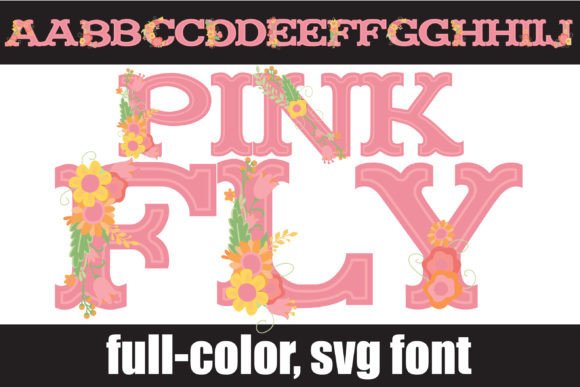
There's a moment in every creative project where the typography either falls flat or makes the entire design sing. If you've ever struggled to find a font that feels both elegant and alive, one that carries personality without sacrificing professionalism, you might just find your answer in Pinkfly. This isn't your average serif typeface. It's a full-color SVG font adorned with delicate floral details, designed to bring a fresh, botanical energy to everything from brand identities to social media posts.
What Makes Pinkfly Visually Distinctive
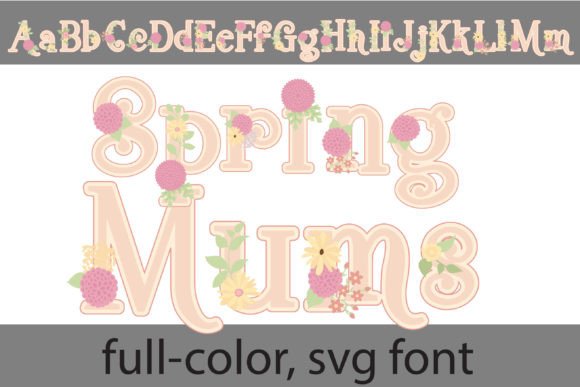
At first glance, Pinkfly catches your eye with its graceful serif letterforms, each one decorated with intricate floral motifs. The flowers aren't just slapped on as an afterthought—they're woven into the character shapes in a way that feels organic and intentional. The default color palette leans into soft, romantic tones, but there's more to explore. Pinkfly includes an alternate case with additional color options, accessible through your system's character map or Silhouette's glyph map. This gives you flexibility to match the font to different brand palettes or seasonal campaigns without switching typefaces.
Because Pinkfly is an OpenType full-color SVG font, those colors are baked right into the font file itself. You install it just like any other .otf file—through FontBook on Mac or your preferred font manager on Windows. A word of caution, though: not every program will display the colors. In non-compatible applications, Pinkfly will render in solid black, which still looks refined but misses the full effect. If you type in a program and see the letters in color, you're good to go. Adobe Illustrator, Photoshop, Silhouette Studio, Quark, and Inkscape all support full-color SVG fonts, so most professional design environments are covered.
Where This Font Truly Shines in Practice
Let's talk about real-world applications, because a beautiful font only matters if you can actually use it. Pinkfly is a natural fit for projects that call for warmth, elegance, and a touch of whimsy. Think wedding invitations, boutique branding, floral shop logos, beauty product packaging, or editorial layouts for lifestyle magazines. It works beautifully on social media graphics where you want to stop someone mid-scroll with something that feels handcrafted rather than generic.
For small business owners, especially those in industries like skincare, stationery, event planning, or artisan goods, Pinkfly offers a way to differentiate your visual identity without commissioning custom lettering. Use it for product labels, thank-you cards, seasonal sale banners, or the hero text on your homepage. Content creators and bloggers can lean on it for Pinterest pins, Instagram story templates, or downloadable printables that feel polished and on-brand.
Here are a few more project ideas where this typeface adds real value:
- Logo design for feminine or nature-inspired brands
- Packaging for candles, chocolates, teas, or handmade goods
- Digital product covers like planners, journals, or recipe books
- Merchandise such as tote bags, mugs, or apparel
- Event collateral including save-the-dates, menus, and signage
- Website headers and blog post title graphics
- Email marketing banners and promotional flyers
- Editorial spreads and magazine covers
- Poster designs for markets, pop-ups, or gallery shows
- Marketing assets like business cards, brochures, and rack cards
Pairing Pinkfly with Other Typefaces
One of the most practical things you can do with any display font is figure out what to pair it with. Pinkfly carries a lot of visual weight and personality on its own, so your supporting typeface should play a complementary role rather than compete. A clean sans serif font works well for body copy and secondary text, letting Pinkfly take center stage for headlines and accents. Think along the lines of a modern geometric sans serif or a simple humanist typeface—something that breathes and doesn't crowd the floral details.
If your project leans more editorial or luxurious, pairing Pinkfly with a light, airy script font for subheadings can create a layered, sophisticated look. Just be careful not to stack too many decorative fonts together. The goal is visual hierarchy: Pinkfly draws the eye, your secondary font supports the message, and your body font keeps everything readable. Test your pairings at different sizes and on different backgrounds before committing, especially since the floral details may read differently on a phone screen versus a printed poster.
Readability and Practical Considerations
Because Pinkfly is a display font with ornamental details, it's best suited for short-form text—headlines, titles, logos, and callouts rather than long paragraphs. That's not a limitation; it's simply how decorative typefaces work best. At larger sizes, the floral elements are crisp and legible. At very small sizes, the details may blur together, so reserve this font for moments where it can be appreciated.
Color is another factor worth testing. The default palette is lovely, but depending on your background, you may want to explore the alternate color case. On dark backgrounds, lighter color variations will stand out better. On busy or photographic backgrounds, consider placing Pinkfly text on a solid or semi-transparent overlay to maintain clarity. The beauty of SVG fonts is that they scale as vectors, so you won't lose quality when resizing—but the visual complexity still demands thoughtful placement.
Licensing and Commercial Use
If you're planning to use Pinkfly in commercial projects—and many of you will—it's worth reviewing the licensing terms before you start. Most premium fonts come with specific guidelines about how they can be used across print, digital, and merchandise applications. Some licenses are per-user, others cover a team, and certain uses like app embedding or large-scale merchandise runs may require an extended license. Read the fine print, keep your license documentation organized, and when in doubt, reach out to the font creator for clarification. It's a small step that protects your business and respects the designer's work.
Bringing It All Together
Pinkfly isn't just a font with flowers on it. It's a design asset that can anchor a visual identity, elevate a marketing campaign, or add personality to a personal project. The combination of classic serif structure with botanical illustration creates something that feels both timeless and fresh—a rare balance in typography. Whether you're building a brand from scratch, refreshing your social media presence, or designing a one-off invitation, having a typeface like this in your toolkit means you're always one keystroke away from something that feels intentional and beautiful.
The key is to use it with purpose. Match it to projects that align with its personality. Pair it thoughtfully. Test it across devices and mediums. And don't be afraid to explore the alternate color options to find the version that fits your vision best. Good typography doesn't just look nice—it communicates, connects, and leaves an impression. Pinkfly does all three, with petals to spare.