Retro Star: The Adorable Color Font for Heartfelt Design
There's a particular joy in finding a design asset that feels less like a tool and more like a gift. That's the sensation I get with Retro Star, a premium color font that brings a burst of personality to any project it touches. It’s not just another typeface in your library; it’s a visual statement, a little piece of crafted emotion ready to be shared. Designed with a playful, retro-inspired charm and a vibrant color palette, this font is particularly suited for themes of love and celebration, but its cheerful spirit extends far beyond a single holiday. It’s a creative font built for designers, makers, and entrepreneurs who want their work to feel authentic and engaging.
A Typeface with Built-In Personality
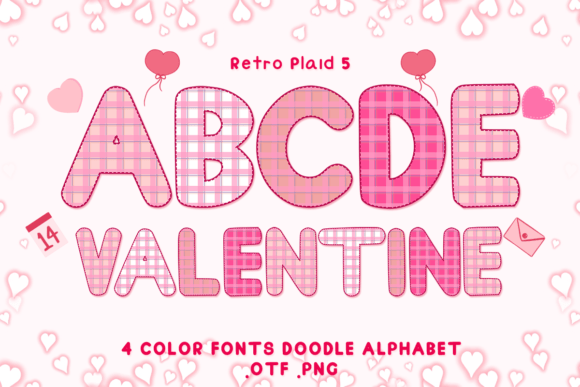
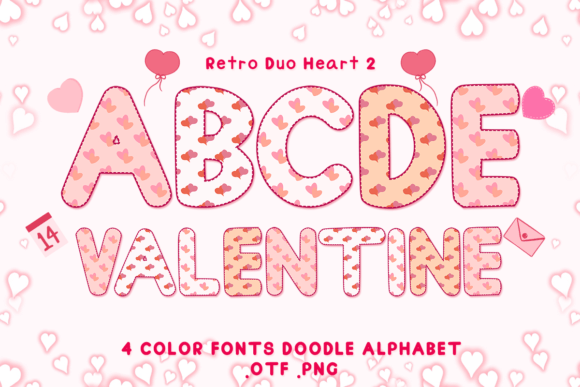
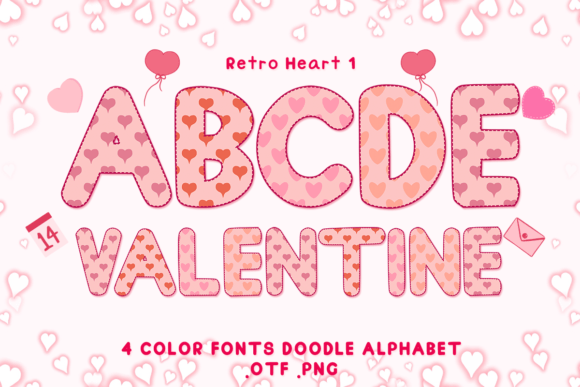
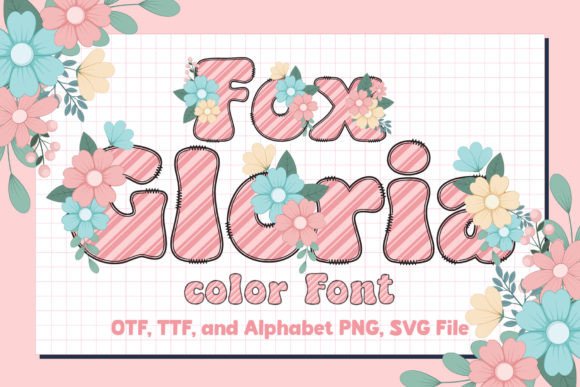
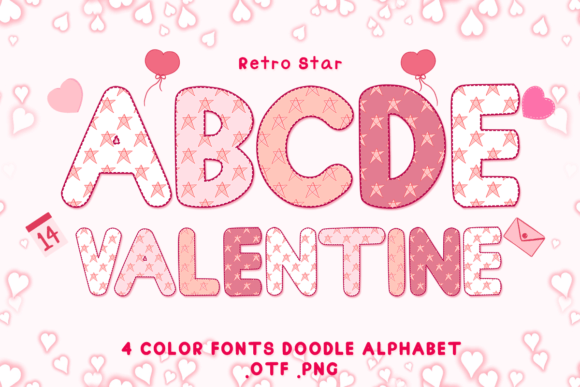
What immediately sets Retro Star apart is its nature as a color font, specifically an OpenType-SVG format. This means the color and texture you see in previews are embedded directly into the font file itself. You’re not just typing letters; you’re applying a fully realized, multi-colored design element with every keystroke. This solves a common design hurdle. Instead of spending time creating outlines, applying gradients, or layering effects to achieve a textured, retro look, the work is done for you. The result is a consistent, high-quality aesthetic across headlines, logos, and social media graphics that can be incredibly time-consuming to replicate manually.
The visual style leans into a friendly, nostalgic vibe without feeling dated. Imagine the cheerful typography of a vintage valentine card or a classic diner sign, but refined for modern digital and print use. The letterforms are clear and legible, which is crucial for any display font intended for more than just a fleeting glance. This balance between distinctive style and functional clarity is what makes it a valuable design asset. It ensures your message isn't lost in the decoration, allowing the font to enhance your communication rather than hinder it.
From Brand Identity to Digital Products
The true test of a creative font is its versatility. Retro Star shines in applications where you need to make a warm, memorable impression. For small business owners, it’s a fantastic choice for logo design, especially for brands in the boutique, bakery, handmade goods, or lifestyle spaces. It can instantly convey a sense of fun, care, and approachability, helping to build a brand identity that stands out in a crowded market.
Think about packaging design. A product label or a thank-you card using this typeface can elevate the unboxing experience, making customers feel like they’ve received something special. It translates beautifully to merchandise like tote bags, t-shirts, and mugs, where a bold, colorful typographic statement is often the central design element. For content creators and bloggers, it’s a powerful tool for social media graphics. A quote card, an Instagram story announcement, or a YouTube thumbnail set in Retro Star can stop the scroll and increase audience engagement by injecting a dose of personality that standard fonts lack.
Practical Considerations for Your Workflow
While the font’s style is its headline feature, its practical integration into your projects is equally important. As a premium font, it’s designed for professional use, but a few key considerations will ensure a smooth process. First, compatibility. This is an OpenType-SVG color font, which means it works seamlessly in applications that support this format, like Adobe Photoshop, Illustrator, Silhouette, and Inkscape. It’s important to note, as mentioned in the product details, that standard OTF or TTF versions are not compatible with Cricut machines. Checking the Ultimate Font Guide for specifics on using color fonts in your preferred software is a wise first step.
When it comes to font pairing, let Retro Star be the star. Its detailed, colorful nature means it’s best suited for headlines, titles, and short bursts of impactful text. Pair it with a clean, simple sans serif font for body copy to ensure readability and create a pleasing visual hierarchy. A classic geometric sans serif or a humanist sans serif can provide the perfect neutral backdrop, allowing the playful character of Retro Star to capture attention without overwhelming the viewer. Always test your pairings in context—see how they look in a mockup of your website header, your product label, or your social media post before finalizing.
Choosing the Right Project for Maximum Impact
Not every project calls for the same typographic treatment. Retro Star is a display font, meaning it’s designed for impact at larger sizes. Its strength lies in situations where you want to evoke a specific emotion or aesthetic quickly. It’s perfect for:
- Invitations and event announcements (think Valentine’s parties, birthdays, boutique sales).
- Poster and flyer design for community events, markets, or workshops.
- Editorial layouts in magazines or lookbooks where a feature headline needs to pop.
- Website hero sections or promotional banners for seasonal campaigns.
- Digital products like printable wall art, planner stickers, or greeting card designs.
The key is to match the font’s personality to your project’s goals. If your aim is to communicate warmth, creativity, and a touch of nostalgia, then you’ve found a perfect match. If your project demands a more severe, corporate, or minimalist tone, a different typeface would be more appropriate. This thoughtful alignment between font style and project intent is a cornerstone of effective visual communication and helps strengthen your overall brand recognition.
Ultimately, a font like Retro Star is more than just a set of glyphs. It’s a design shortcut to creating work that feels polished, intentional, and full of life. It empowers you to produce professional-looking marketing assets, brand identity materials, and personal projects with a consistent and eye-catching aesthetic. By understanding its strengths and applying it thoughtfully, you can ensure it becomes a valuable and joyful part of your creative toolkit, ready to make every design feel like it was intended from the heart.