Irish Age: A Stone-Age Inspired Color Font for Modern Design
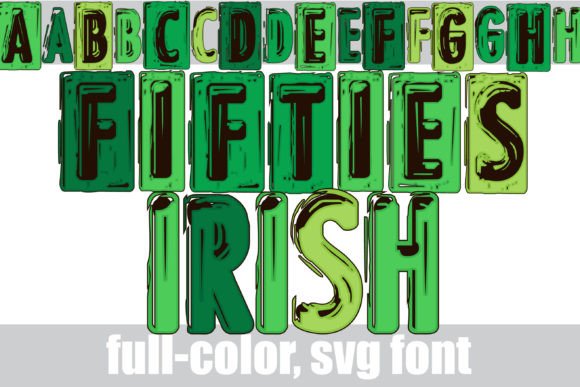
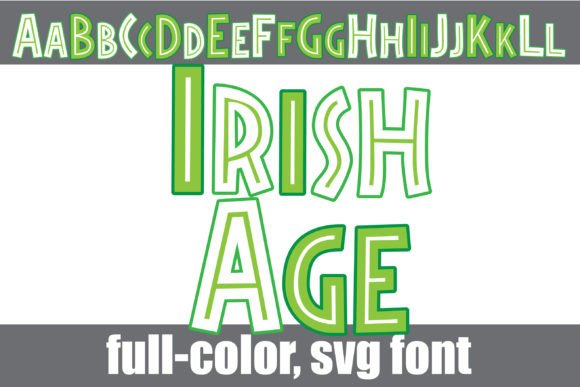
Imagine a font that doesn’t just convey words but tells a story, evoking the raw, textured beauty of ancient carvings while offering the vibrant flexibility of modern digital color. This is the promise of Irish Age, a full-color SVG font that blends a prehistoric aesthetic with a contemporary green palette. It’s more than a typeface; it’s a design tool built for creators who want their text to command attention and carry a distinct, earthy personality.
What Makes Irish Age Visually Unique?
At its core, Irish Age is a display font inspired by the rugged, symbolic forms of the Stone Age. Each character is crafted to resemble something carved or etched, with a tactile quality that gives it depth and history. The primary colorway is a rich, natural green palette, evoking moss-covered stone, deep forests, and ancient landscapes. This inherent color isn’t just a flat fill; as an OpenType full-color (SVG) font, the colors are embedded directly into the font file, allowing for complex gradients and textures within each letterform.
What truly sets this typeface apart is its versatility. Beyond the standard green set, Irish Age includes an alternate case of additional colors for each letter. You can access these through your system’s character map or, for crafters and designers using specific software, through Silhouette’s glyph map. This feature effectively gives you multiple fonts in one, allowing you to switch color palettes on the fly to match different project themes—from autumnal oranges to slate grays—without compromising the core stone-age style.
Practical Applications for a Distinctive Typeface
The bold, textured nature of Irish Age makes it unsuitable for body text but perfect for projects where a single word or short phrase needs to make a strong visual statement. Think of it as the hero element in your design toolkit.
- Branding & Logo Design: For brands that want to convey strength, heritage, nature, or craftsmanship—such as outdoor apparel companies, artisanal food brands, craft breweries, or eco-tourism services—Irish Age can create an instantly memorable logo. The stone-age aesthetic communicates durability and authenticity.
- Packaging & Labels: On product packaging, especially for gourmet foods, natural cosmetics, or specialty coffee, the font adds a rustic, premium feel. The color SVG format ensures the textured greens look crisp and vibrant on labels, boxes, and tags.
- Social Media & Digital Graphics: In a crowded social media feed, a post featuring Irish Age stands out. Use it for impactful Instagram story headers, Facebook event covers, or Pinterest pin titles to grab attention quickly. The vector-based SVG format means it scales perfectly for any screen size.
- Editorial & Poster Design: Create striking magazine covers, event posters, or chapter headings in books. It’s particularly effective for themes related to history, fantasy, nature, or mythology. Pair it with a clean sans-serif font for body copy to maintain readability.
- Merchandise & Invitations: From t-shirts and mugs to wedding invitations for a rustic-themed event, Irish Age adds a handcrafted, personalized touch that mass-produced fonts cannot replicate.
Improving Your Design Workflow and Brand Consistency
Using a distinctive font like Irish Age can do more than just decorate; it can solve real design problems. A consistent visual language is crucial for brand recognition. By incorporating this typeface into your brand’s toolkit for specific applications, you create a cohesive look that your audience will begin to associate with your identity. The built-in color variations allow for flexibility while maintaining the same core aesthetic, helping you adapt designs for different seasons or campaigns without losing your brand’s signature style.
Furthermore, its SVG nature is a significant practical advantage. Because it’s a vector format, you can scale your text to the size of a billboard or shrink it to a favicon without any loss of quality. No more blurry pixels or jagged edges. This ensures a professional presentation across all touchpoints, from a small social media icon to a large-format trade show banner.
Tips for Using This Creative Font Effectively
Integrating a specialty font like this requires a thoughtful approach to ensure it enhances rather than overwhelms your project.
- Prioritize Readability in Context: Irish Age is a display font. Use it for headlines, logos, and short call-to-action text. For longer paragraphs, always pair it with a highly legible serif font or sans-serif font. A clean font pairing is essential.
- Test for Software Compatibility: Remember, color fonts require compatible software to display their full-color glory. Programs like Adobe Illustrator, Photoshop, InDesign, QuarkXPress, Inkscape, and Silhouette Studio will render the colors. In non-compatible programs, the font will appear as a solid black silhouette. Always test it in your primary design software first.
- Explore the Alternate Glyphs: Don’t just use the default letters. Dive into your system’s character viewer (FontBook on Mac, Character Map on Windows) or your design software’s glyph panel to discover the alternate color versions. This is where you unlock the font’s full creative potential.
- Consider the Color Palette: While the green is iconic, the alternate colors allow you to match the font to any project’s color scheme. Think about the mood you want to set. The same stone-age style can feel mystical in purple, warm in terracotta, or sleek in monochrome.
- Understand Licensing: If you plan to use Irish Age for commercial projects—like client work, merchandise for sale, or digital products—ensure you have the appropriate commercial font license. This is a standard practice for any premium font or design asset.
Ultimately, Irish Age is a specialized tool for a specific job: creating powerful, evocative visual statements. It’s not for every project, but when used thoughtfully, it can elevate a design from ordinary to unforgettable, giving your brand or creative work a unique voice that resonates with texture, history, and color.