Grasshopper Green: A Playful Stripe Font for Bold Designs
There’s a certain kind of design challenge that pops up constantly: you need something that feels energetic, youthful, and unmistakably fun, but you also need it to look polished and intentional. Generic script fonts can feel overused, and standard sans-serifs often lack that spark of personality. Enter a solution that solves this exact problem with a burst of color and character—a full-color display font that turns text into a visual element all its own.
More Than Just a Green Typeface
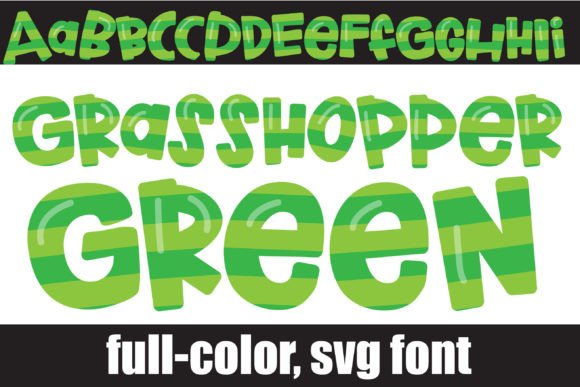
At first glance, this font immediately catches the eye with its vibrant, bright green palette and whimsical stripe detailing. Each letter is crafted with a sense of movement and joy, making it feel less like traditional typography and more like a piece of illustrated art. This isn't just a green font; it's a design asset that brings its own built-in visual texture and energy. The stripe pattern adds a layer of depth and a retro-modern vibe that feels both nostalgic and fresh.
What makes this particular style so effective is its versatility within a specific niche. It excels in contexts where you want to convey creativity, approachability, and a bit of playful rebellion. Think of a children’s book cover, a boutique’s signage, a podcast logo, or the header for a lifestyle blog. It immediately sets a tone that’s hard to achieve with a standard serif font or a clean sans serif font. The visual personality is baked right in.
Practical Magic: Where This Font Truly Shines
The real test of any creative font is how it performs in real-world projects. This typeface is a powerhouse for a range of applications where you need to grab attention quickly and leave a lasting impression.
For Branding & Logo Design: Imagine a logo for a local ice cream shop, a toy store, or a creative workshop. Using this font as the primary wordmark instantly communicates a brand personality that’s friendly, inventive, and full of life. It works exceptionally well for businesses targeting families, kids, or any audience that appreciates a lighthearted aesthetic. As part of a broader brand identity, it can be used for subheadlines or call-to-action text on packaging, adding a consistent pop of color and fun.
In Digital Spaces: On social media, a font like this is pure gold for Instagram stories, YouTube thumbnails, or Pinterest pins. It stops the scroll. The bold, colored lettering ensures your message is readable even on small screens, making it perfect for promoting a sale, announcing a new product, or simply sharing an inspirational quote. For bloggers, using it for section headers or featured post titles can break up text-heavy pages and guide the reader’s eye with a burst of energy.
For Print & Physical Products: Its impact isn’t limited to digital. This font makes stunning posters, event flyers, and invitation cards. Imagine a birthday party invite or a festival poster—this typeface sets the joyful mood before a single word is read. For merchandise like t-shirts, tote bags, or stickers, it translates beautifully, creating products that feel custom and vibrant. The fact that it’s a vector-based SVG font means it will look crisp and clean whether it’s printed on a business card or blown up on a banner.
Working With a Full-Color SVG Font
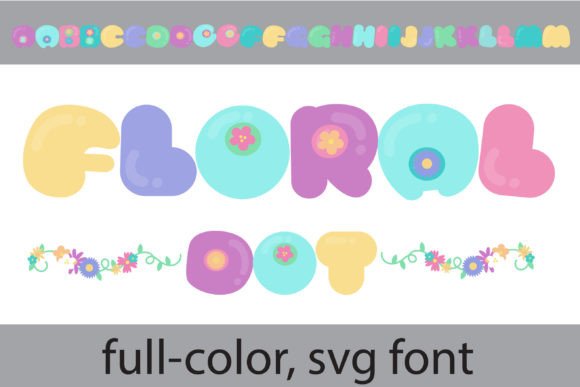
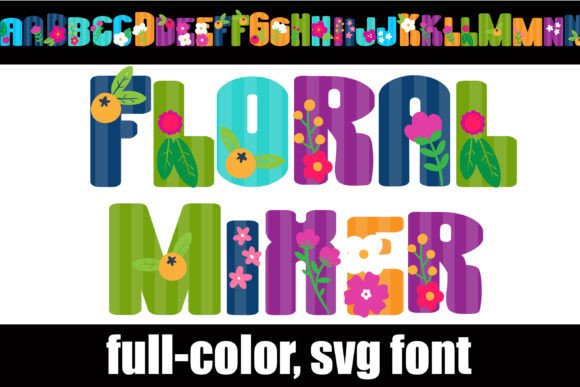
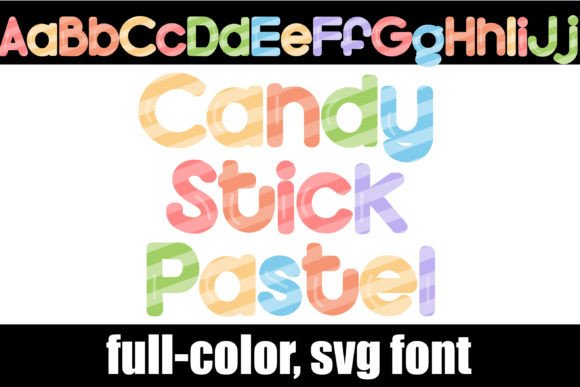
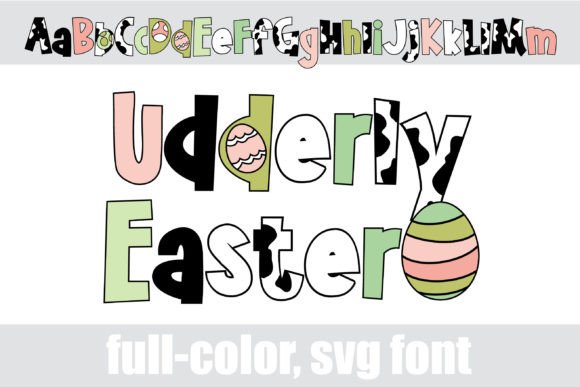
Using a font like this is a bit different from using a standard text font, but the process is straightforward once you know the basics. It’s an OpenType full-color (SVG) font, which means it’s installed just like any other .otf file on your system—through FontBook on a Mac or your preferred font manager on Windows.
The key thing to remember is compatibility. Not all programs support the full-color aspect. In applications that don’t, like some older versions of Word or basic text editors, the font will appear as a solid black outline. You’ll know your software supports it when the color appears as you type. Popular design and layout programs like Adobe Illustrator, Photoshop, InDesign, Silhouette Studio, Quark, and Inkscape all support full-color SVG fonts. In these programs, you can often access alternate letter variations (alt cases) through the glyphs panel or a character map, allowing you to customize the look even further.
This brings up a crucial point about practical design work: always test your font in the final environment. A font that looks perfect in your design software might behave differently on a live website or in a PDF viewer. For web use, you’d typically convert the text to an outline or an SVG graphic to ensure it displays correctly for all visitors.
Pairing and Professional Considerations
Because this font has such a strong personality, it’s best used sparingly and strategically. It’s a headline font, a display font—not meant for body copy. Pair it with a simple, clean sans serif font like Open Sans, Lato, or Montserrat for paragraphs of text. This creates a hierarchy that’s easy to read and visually balanced. The contrast between the playful, decorative headline and the neutral body text makes both elements more effective.
Before you commit to a font for a commercial project, always double-check the licensing. Most premium fonts, including this one, come with a license that covers a specific range of use—like for a single business, a number of end products, or a certain number of social media accounts. Understanding these terms ensures you’re using the asset legally and ethically, which is a cornerstone of professional design work.
Ultimately, a font like Grasshopper Green isn’t just a tool for setting text. It’s a design shortcut for injecting personality, color, and a sense of fun into your projects. It helps solve the common challenge of making something look both professionally crafted and genuinely engaging. For the right project, it can be the element that ties a whole visual story together, making your branding more memorable, your social posts more clickable, and your printed materials more joyful. It’s a specific tool for a specific job, but when that job arises, it’s incredibly effective.